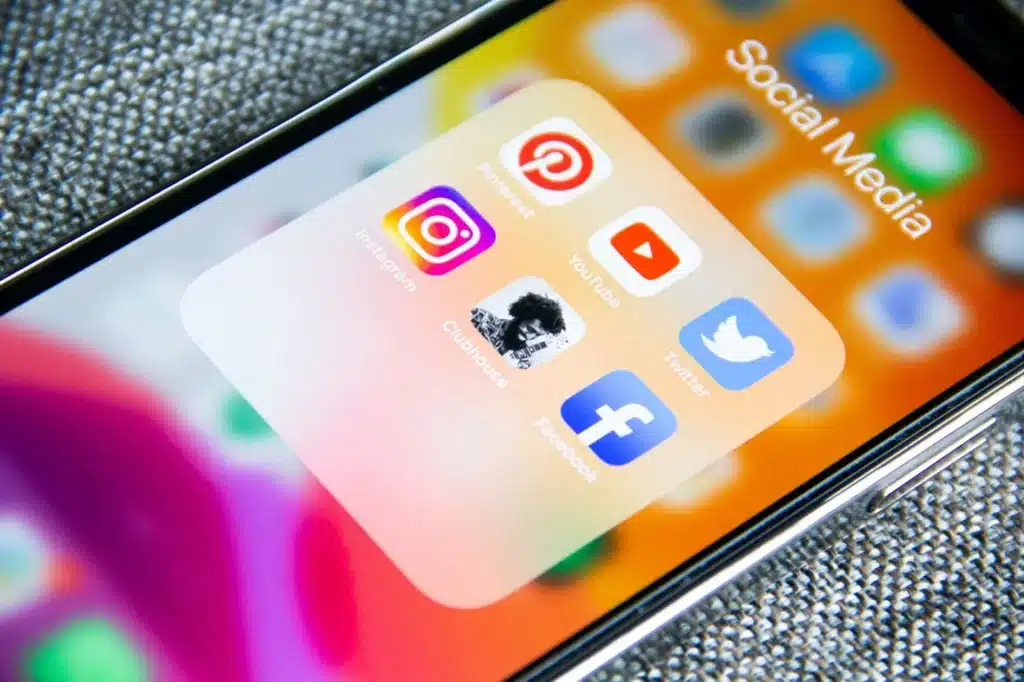
How influencers are rotting simplicity has become an increasingly pertinent discussion in contemporary society in which the ordinary is constantly measured against the carefully curated social media personas of others. Be it extravagant morning rituals and skincare regimens, luxury home interior design, or exotic vacations, social media influencers have redefined what people consider to be an acceptable or desirable lifestyle. As such, influencers can make individuals feel as if their own lives are boring in comparison and that they need to constantly upgrade or document their experiences in pursuit of an alternative, aspirational existence. The issue is not that influencers share their lives, but rather that online comparisons can make the mundane feel inadequate and uninteresting.
The influencer culture not only entertains but also teaches people, presenting their life and tastes as the ideal ones. The influencer culture commercializes everything, including cosmetics, travel destinations, food recipes, and even aspects of one’s personality. A simple coffee can become a part of a routine, an ordinary T-shirt can be the beginning of a shopping session, a weekend away from home can turn into an expectation of a lavish vacation. It seems that somewhere along the way, the simplicity of enjoying moments and discovering new things has been misplaced. But are influencers really making people unhappy about their simple life?
1. When Ordinary Life Stops Being Enough
Simplicity often means not preparing special things for others but being genuinely happy about what you have and willing to share it with others. It means eating more at home, spending evenings with a friend, traveling not in luxury class but in the one where you can see the beauty of the world. However, seeing other people’s perfect weekends, luxury houses, beautiful faces, and amazing lifestyles on social media can make anyone feel that his or her daily routine is not worth being presented as an example to others.
This is where social media optimization services becomes a problem. People may start believing that their routines need improvement simply because an influencer has presented a more visually appealing version of the same activity. A basic skincare routine feels inadequate next to a shelf full of products, and a relaxed weekend feels boring compared with a creator’s packed itinerary. The pressure is often subtle, but its effect can be significant: instead of enjoying what they already have, people begin searching for ways to make their lives look more impressive.
2. Living Aesthetic Means Living Performing
Aesthetic life is a performer’s life. Influencers’ neutral-toned décor, coordinated outfits, designer bags, morning barista rituals, extreme productivity — everything has a purpose. A carefully created image can make you think about buying a new apartment in which your Instagram pictures will look perfect, buying new cosmetics so that your skincare routine becomes Instagrammable, or planning a vacation around taking photos instead of concentrating on the fun of discovering a new place. These are the ways in which influencer culture can make you unhappy with your simple life.
The influencer culture teaches people that beauty and comfort are not enough; they must be aesthetic as well. You cannot have a joyful experience without recording it, you cannot have a perfect day without posting about it, you cannot have a successful relationship without presenting it to the world and getting validation from it. The culture makes you feel that any average day cannot and should not have moments of happiness, beauty, and comfort because they will not be eternal. It steals your ability to enjoy simple things by making everyone a judge of your everyday life.
3. Influencer Marketing Makes You Want What You Do Not Need
Influencer marketing turns all regular experiences into a search for products to buy. The influencers’ job is to recommend what to wear, what to eat, what to inject to look beautiful, what pills to lose weight, what courses to take to change the career, and what interior to choose to feel comfortable. The influencer industry employs real people, not marketers, to persuade others that products which they would never buy otherwise are an integral part of a happy life and an attractive appearance.
The influencer marketing turns products into a way of life, making everyone obsessed with acquiring what they do not need to cure empty inner sadness. It distracts people from enjoying their simple life with its simple joys because a brand-new designer bag will make them look better on social media. People begin to think that their simple life is not a high-class one, which it actually is not. They start buying things on credit to feel happier, spending hard-earned money on fleeting pleasures of a moment.
4. Trends Make the Culture of Social Media Comparison
Social media trends are as short-lived as the influencers’ careers. While one influencer is promoting a certain aesthetics or behavior, another one already advertises a new concept. Trends keep changing so that people can barely realize what they like or want before a new “it” thing is presented as the only way of living. Trends can be in fashion, cosmetics, travel, home décor, and even personality shape – the influencer industry is vocal about it.
People who follow influencers begin to doubt their preferences. They question if the way they dress, decorate their homes, spend their evenings, and spend money is trendy enough. While their usual way of behaving is keeping them from engaging in the “it” activities, the social media comparison makes them doubt themselves instead of shortening the distance to their dreams. Trends make the influencer culture cruel because it robs people of their individuality and unique habits that make them unique. Why invest in a long-term relationship if one can date someone popular and well-presented in one month and then move on to someone more extreme in another? Why wear the same clothes if one can constantly change the appearance to match the social media image? Why experience the joy of simple life if one can turn it into a brand and earn more by losing authenticity?
5. The Mental Health Impact of Constant Comparison
The relationship between social media and mental health is complex, and its effects differ from person to person. Still, repeated exposure to idealized lifestyles can contribute to feelings of inadequacy, envy, anxiety, and dissatisfaction for some users. Influencer content frequently shows the most attractive parts of a person’s life while leaving out financial pressures, ordinary responsibilities, failed attempts, and difficult moments. Viewers may compare their complete reality with a highly edited representation of someone else’s experience.
This comparison can affect self-esteem and create unrealistic expectations about appearance, productivity, relationships, and success. When users measure themselves against standards that are difficult or impossible to maintain, everyday achievements may begin to feel insignificant. It is important to remember that an online lifestyle is not a complete picture of someone’s circumstances. A beautiful apartment may be sponsored, a shopping haul may involve brand partnerships, and a seemingly effortless routine may require substantial time, money, and planning. Recognizing this difference can help people engage with social media more critically and protect their sense of self-worth.
6. Why Simplicity Is Being Mistaken for Having Less
Modern digital culture often associates success with visible signs of achievement. Expensive purchases, luxury experiences, designer clothing, and carefully curated surroundings can communicate status in ways that are easy to understand through a screen. By contrast, a simple lifestyle may offer fewer obvious symbols of success, even when it provides greater comfort, financial stability, or emotional satisfaction. This imbalance can make people overlook the value of living within their means and choosing what genuinely matters to them.
However, simplicity is not about rejecting every luxury or avoiding personal growth. It is about making intentional choices rather than treating constant improvement as an obligation. Someone can enjoy fashion without purchasing every trending item, appreciate travel without visiting every viral destination, and care about their appearance without following every beauty recommendation. A simple life is not necessarily an inexpensive or minimalist one; it is a life in which personal priorities matter more than the pressure to keep up. When simplicity is understood this way, it becomes a form of independence rather than a sign of missing out.
7. How to Reclaim Simplicity in a World of Influencer Culture
Reclaiming simplicity does not require deleting every social media account or avoiding influencers altogether. It begins with recognizing how content affects your decisions, mood, and expectations. If a particular account repeatedly makes you feel dissatisfied with your appearance, home, possessions, or lifestyle, consider muting or unfollowing it. Follow creators who share useful knowledge, realistic experiences, creative ideas, and perspectives that support your interests without making you feel that your life needs constant upgrading.
It also helps to establish a more intentional relationship with consumption and online attention. Before buying a product promoted by an influencer, ask whether you genuinely need it, whether it fits your budget, and whether you would still want it without seeing the recommendation. Spend time doing activities that do not need to be photographed or shared. Enjoy meals without documenting them, wear familiar clothes without apologizing for repeating an outfit, and allow ordinary days to remain ordinary. These small decisions can help restore the distinction between enjoying life and presenting life for an audience.
8. A More Responsible Future for Influencers and Audiences
Influencers have considerable power to shape conversations about lifestyle, beauty, consumption, and success. That influence does not automatically make influencer culture harmful. Creators can introduce audiences to meaningful causes, affordable alternatives, useful skills, sustainable habits, and perspectives that challenge unrealistic expectations. They can also make space for ordinary experiences rather than presenting luxury and constant self-improvement as the only desirable ways to live. Responsible content creation includes transparency about sponsorships, realistic product claims, and greater awareness of how aspirational content affects different audiences.
Audiences also play an important role in shaping the culture they consume. Every follow, comment, purchase, and share contributes to the attention economy that rewards particular types of content. Choosing to support honest, diverse, and useful creators can encourage a healthier online environment. At the same time, individuals should remember that they are not obligated to participate in every trend or purchase every recommended product. Social media can be a source of inspiration without becoming a standard against which every aspect of life is judged.
Conclusion: Let Life Be Simple Without Feeling Sorry for It
The problem with influencer culture is not inspiration, ambition, or the desire to improve our lives. It is the idea that ordinary life is never enough unless it becomes more attractive, more expensive, more productive, or more shareable. When every moment is compared with a polished online image, simplicity can begin to feel like failure. But a meaningful life does not need to look impressive to strangers. It needs to feel worthwhile to the person living it.
Perhaps the most important response to the pressure of social media is to rediscover the value of things that do not require an audience. A quiet morning, a familiar meal, an old outfit, a genuine conversation, or an uneventful weekend can be valuable precisely because they belong to you rather than to an online performance. Influencers may continue to shape trends and consumer choices, but they do not have to determine what happiness looks like. Sometimes, the most meaningful lifestyle upgrade is learning to appreciate what you already have.