The Rise of Influencers
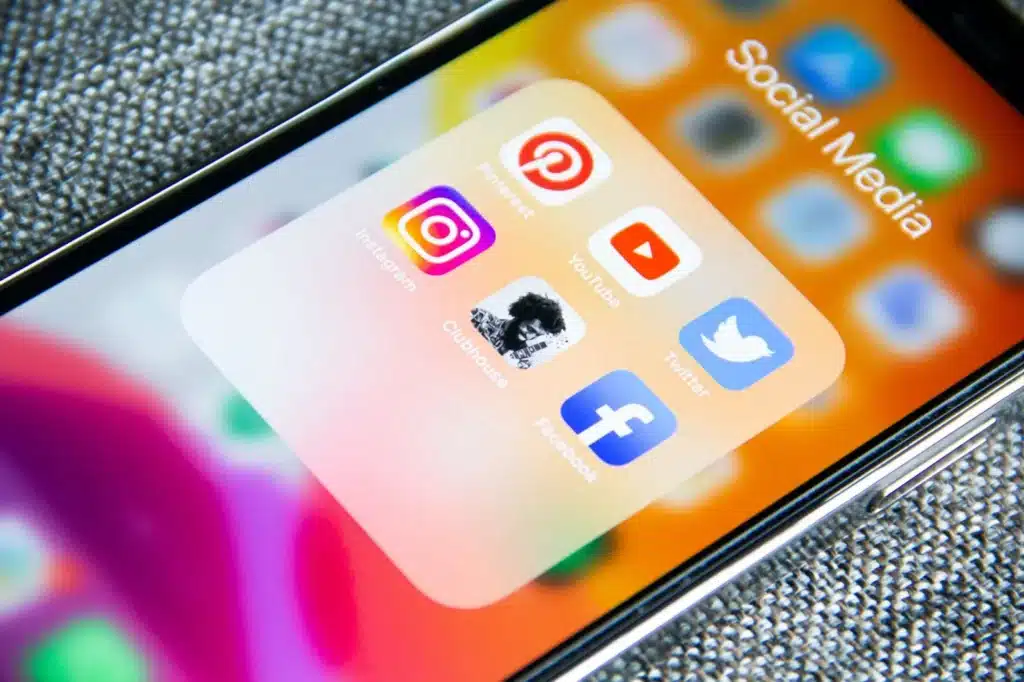
In the digital age, social media influencers have become modern cultural icons. They have strong power to shape trends, beliefs, and habits. Influencers dominate our screens every day. We see them posting Instagram photos, TikTok dances, and YouTube videos.
However, behind the attractive content and viral fame lies a troubling issue. Influencer culture often promotes a shallow and unrealistic way of thinking. This constant exposure can slowly affect how people view themselves and their lives.
Changing Role Models
In the past, role models were admired for their real contributions to society. They were respected for their courage, talent, or leadership. Today, many young people look up to online celebrities instead. These influencers often gain fame by dancing to trending music or showing luxury lifestyles.
This polished image creates false expectations. It pushes the idea that success only looks glamorous. As a result, people lose touch with the realities of everyday life.
The Illusion of a Perfect Life
Influencers often show flashy cars, expensive holidays, and designer clothes. They dine at fancy places and live seemingly perfect lives. This constant display can feel hypnotic. It makes viewers believe this lifestyle should be their goal.
In reality, life is much simpler and more meaningful. Everyone has a different situation. Many people cannot afford such luxury. Seeing this content daily can lead to sadness and frustration. People start comparing their real lives to edited online moments.
Mental Health and Comparison
Constant exposure to perfect images can harm self-esteem. It can make people feel inadequate. Watching influencers travel to places like Greece may cause the feeling of missing out. Seeing someone buy a luxury bag can trigger self-doubt.
Even small comparisons can hurt. An influencer showing a luxury car can make someone feel inferior for riding a bike. These thoughts slowly damage confidence and mental peace.
The Trap of Validation
Teenagers are especially affected by this culture. They often chase trends to feel accepted. Many try to copy strangers online to gain likes and approval. This creates a never-ending cycle of validation.
Ask yourself important questions. Is this the life you want? Is it worth sacrificing your mental health? Are you living for yourself or for online approval? This constant need for validation can drain happiness and self-worth.
A Healthier Perspective
Social media advertising services does give people a voice, but it also spreads insecurity. It should be a source of entertainment, not emotional harm. Influencers will continue to show unrealistic lifestyles. That is beyond our control.
What we can control is our mindset. Learning to value what we already have is powerful. Your real life, with all its imperfections, is more meaningful than the filtered lives of strangers online.