
How to Grow a Small Business with the Help of Digital Marketing
It can be daunting for a small business to compete with larger and more established organizations. Big businesses have a plethora of resources which almost makes it impossible to compete with them. But with digital marketing agencies such as Alphonso Media, you can absolutely grow and make your own identity.
A small business can not only compete but also differentiate themselves from the large brands they are competing with (i.e. through personal experience of their brand), and establish greater loyalty among their customers. Here are some practices small businesses should follow.
1. Focus on Niche Positioning
Many large businesses concentrate on reaching a wide audience. Because of this, they create an opportunity for smaller enterprises. The goal is to look for a well-defined niche by identifying the specific characteristics (needs, wants, and problems).
If you try to connect within your niche then your marketing message will be more impactful and personal (the more direct you can get, the more the audience is inclined to buy from you).
2. Local SEO = Golden Opportunity
The best thing you could do is show up whenever someone searches for similar services to yours in your local area. Also, request customer reviews and change/update your listings regularly once you have received any new reviews.
If someone enters a search query about services “near me,” because of strong local SEO (search engine optimization) efforts, there is a good chance your business will show up on the search engine results page (SERP).

3. Create High Value Content
Content marketing is one of the cheapest methods for small owners to market their business. It’s all about creating informational content such as blogs, articles, or even short videos. This will make people see you as an expert (or authority) which will boost their trust.
Whereas paid advertising only has short-term benefits and generally fades away once you stop spending money. High-quality content brings customers to your website for much longer periods of time.
4. Use Social Media Strategically
Compared to bigger businesses, many small businesses in the US can grow on social media by being more responsive and more engaged. Instead of just posting about the same kind of basic content, just focus on interacting with the audience.
Try to be unique and more followers-friendly. What this means is to reply to comments, ask questions in stories, share behind-the-scenes, and show client success stories. You won’t get a massive reach, but still a small active audience is always better than inactive viewers.
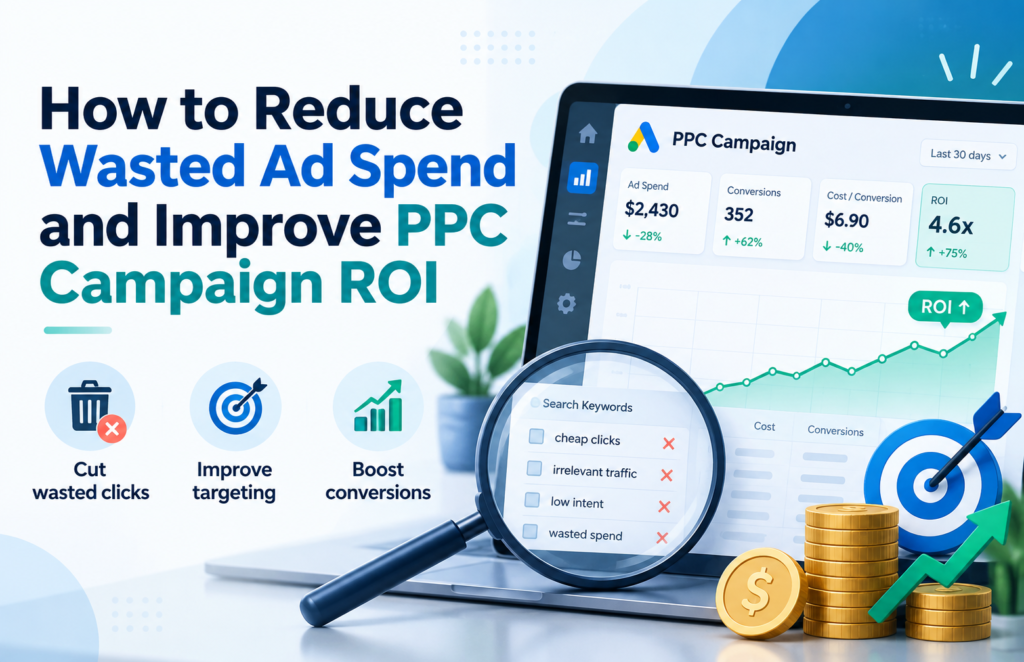
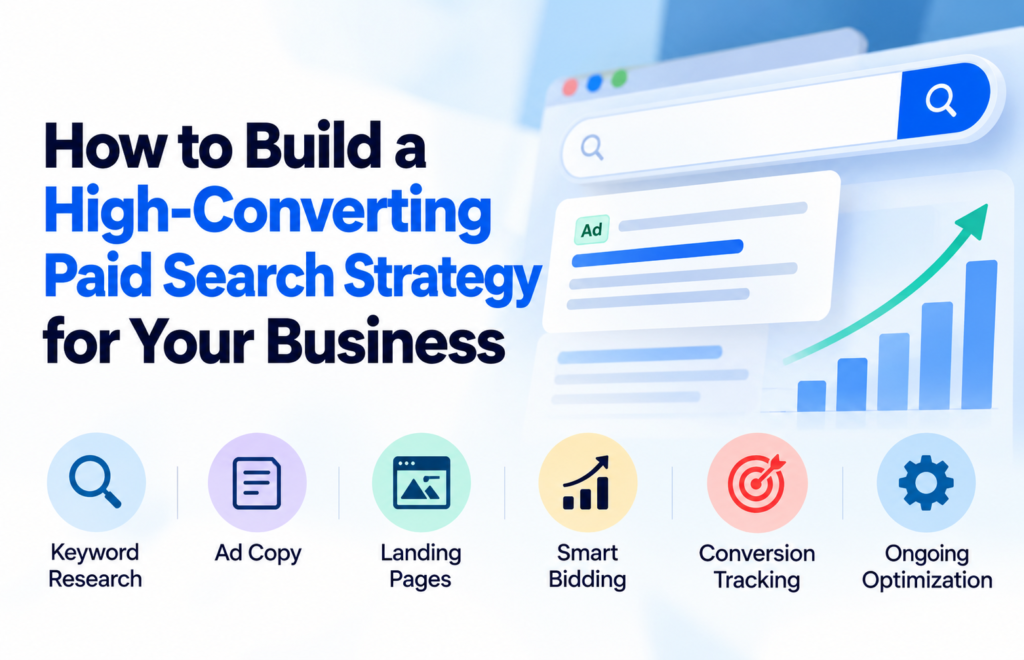
5. Invest in Targeted Advertising
Small businesses have less money to spend, so they can be more strategic about money allocation. Digital platforms utilize precise targeting capabilities (by demographic or interest/behavior) which enables you to reach your target audience.
Begin by creating small sized campaigns using a test-and-learn method. You will find that your best performing ad campaigns are often the ones that are very well targeted.
6. Make Customer Experience Your Priority
Time is one of the biggest essence of small businesses. Usually large enterprises don’t always have enough time to give a personalized customer experience. That’s where small ones can take advantage. Just respond asap, friendly communication, and show true concern for their problems.
The truth is that happy customers will most likely return and recommend you to others. In many instances, customers intentionally seek out small businesses for the personal touch that they offer.
7. Email Marketing
Email marketing is sort of a personal connection method. With this, you develop a direct connection with your customers. But it’ll only work if you do it in the right way, and doesn’t sound too salesy. Just keep a mixed approach.
Unlike social media, which is controlled by algorithms and limits the amount of visibility, email marketing campaigns give you complete control to reach customers.
Conclusion
With the right digital marketing services in USA, small businesses can successfully compete with established brands by targeting niche audiences, building authentic customer relationships, and leveraging digital channels to strengthen their online presence.