Understanding PPC and SEO
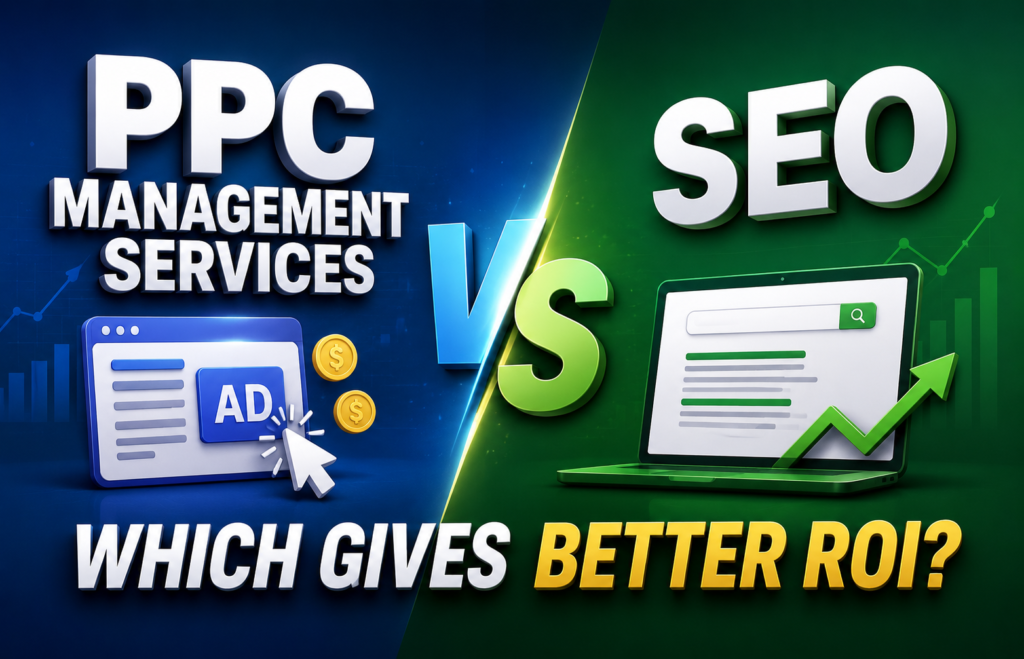
PPC (Pay Per Click) is an online marketing technique through which companies pay per each click on their ad placed on the top of search engine listing and thus can achieve visibility through this technique immediately. SEO, on the contrary, helps improve visibility of websites in natural search listings through optimization of content, technical work, keyword research, and increasing authority. While SEO might be a bit slower in terms of achieving results, it will not need payment for each click made by users. The argument between PPC management services and SEO is not aimed at defining the more advantageous technique, but at choosing the technique that suits your business better.How PPC Management Services Work
PPC campaigns attract specific target audiences through the use of keywords bids, audience segmentation, geographical targeting, and ad placement. Companies can easily create campaigns for various products, services, promotions, or lead generation activities. PPC campaigns provide companies with measurable performance metrics such as clicks, impressions, conversions, cost per click, and return on advertising spending. Since PPC campaigns are very flexible, the ads are optimized using performance statistics. Thus, PPC is beneficial to businesses which are introducing new products into the market or generating leads.How SEO Builds Long-Term Growth
The main emphasis in SEO is placed on the improvement of the website in order to enable search engines to index and rank websites based on the search queries. In contrast to paid advertising campaigns, the effects of SEO may last even after the implementation of all the SEO efforts. Optimized websites may rank not only for one keyword but several keywords related to each other, thus attracting visitors at various stages of the buying process.PPC Management Services vs SEO: Key Differences
When PPC Delivers Better ROI
Certain business situations favor paid advertising because results are needed immediately. PPC campaigns also provide valuable keyword and audience insights that can later support SEO planning. PPC works well for:- New business launches: Quickly generate website visits while organic rankings are still developing.
- Seasonal promotions: Promote limited-time offers, festive campaigns, or product launches with immediate visibility.
- Lead generation campaigns: Drive inquiries, bookings, registrations, or purchases through targeted landing pages.
- Testing new markets: Measure demand for products or services before investing heavily in long-term content.
When SEO Delivers Better ROI
The SEO process usually offers greater returns when viewed over a more extended period since content that is properly optimized continues getting traffic without having to pay for each visitor. Companies willing to make an investment will benefit greatly from SEO in terms of long term gains. SEO is appropriate for:- – Long-term organic search: Rankings creation for keywords relevant to your business over time.
- – Content marketing growth: Customer attraction via blog posts, guides, FAQS, and service pages.
- – Building authority: Improved reputation through SEO search visibility and content.
Paid Search vs Organic Search: Which One Wins?
The paid search and organic search discussion is one that relies on business needs rather than one being better than the other. The former guarantees fast results while the latter helps with establishing trust and discoverability through content. Customers use both channels at times. The individual finds the brand through a paid channel and then discovers it through an organic search after learning more about the product or service. This is why businesses that understand the process use both of them.Factors That Influence ROI
ROI depends on more than choosing PPC or SEO. Several business factors influence campaign performance.Business Goals
A company launching a new service may prioritize immediate inquiries through paid advertising, while an established business may invest more in long-term SEO growth.Competition
Highly competitive industries often require a combination of paid campaigns and SEO to build visibility across different customer touchpoints.Budget
PPC requires ongoing advertising spend, whereas SEO typically requires continuous investment in optimization, content, and technical improvements.Timeline
Businesses seeking immediate traffic often prefer PPC initially, while SEO becomes increasingly valuable over time.Combining PPC and SEO for Better Results
The strongest digital marketing strategy often combines paid advertising and SEO instead of treating them as alternatives. PPC can generate immediate traffic while SEO builds long-term visibility. Paid campaigns can identify high-performing keywords, which later become priorities for organic content. Similarly, SEO insights can reveal keywords worth targeting through advertising. This combination creates broader search visibility across different stages of the customer journey.Common Mistakes Businesses Make
Many businesses reduce ROI by making strategic mistakes rather than choosing the wrong marketing channel. Avoiding these mistakes helps businesses maximize marketing investments regardless of channel.- Expecting SEO results within a few weeks.
- Running PPC campaigns without optimized landing pages.
- Ignoring technical website issues before investing in traffic.
- Measuring clicks instead of conversions.
- Targeting overly broad keywords without search intent.
- Stopping SEO efforts after achieving initial rankings.
- Treating PPC and SEO as completely independent strategies.
How Alphonso Media Helps Businesses Grow
Alphonso Media delivers integrated digital marketing services that assist businesses with enhancing their immediate lead generation and their overall search engine presence. Using paid advertising together with SEO strategies, Alphonson Media assists businesses with creating a balanced approach to search engine marketing that is in line with specific growth goals. Why Alphonso Media?- PPC Campaign Management: Creates advertising campaigns aimed at driving qualified traffic, generating leads, and optimizing campaigns.
- SEO Strategy & Technical Optimization: Helps optimize the website’s architecture, content, keywords, and other technical aspects of SEO for sustainable organic growth.
- Landing Page & Conversion Optimization: Builds landing pages that enhance the user experience and drive more conversions out of organic and paid traffic.
Which Strategy Is Better for Your Business?
In PPC Management Services vs SEO, the solution will not be governed by one marketing law but will depend on the goals of the company. If you want fast visibility or launch new products or fast lead generation, then choose PPC. However, if you are concerned about generating organic traffic, building authority, and acquiring customers, then go for SEO. Companies looking for rapid growth can gain from using both techniques. While paid advertising gives you instant possibilities, SEO builds a solid base for future traffic growth. Instead of deciding whether PPC or SEO will work better for your company, look into what your potential customers are like, your goals for marketing, competition, budget, and ROI.Frequently Asked Questions
That depends on the goals. PPC vs SEO is not about picking one over another, as PPC is helpful in creating quick visibility and leads, while SEO works for organic visibility and sustainability.
Paid search vs organic search is a comparison of paid ads, appearing at the top of the search results, versus organic listings, which are obtained as a result of SEO and content optimization.
Yes. search engine optimization services help businesses create long-term visibility and organic traffic, as well as leads and increase website authority without paying for each click.
ROI from digital marketing (PPC and SEO) can be calculated based on the following metrics: qualified leads, conversion rate, customer acquisition cost, organic traffic growth, return on ad spend, revenue and more.