A website can have outstanding content and attractive design, yet still struggle to rank in search results. The reason is often hidden beneath the surface. Search engines evaluate much more than keywords and backlinks. They look at how efficiently a website loads, how easily it can be crawled, whether pages are indexed correctly, and how well users interact with the site.
This is where Technical SEO Services USA becomes essential. It focuses on improving the foundation of your website so search engines can access, understand, and rank your content without unnecessary obstacles. Whether you operate an eCommerce store, SaaS platform, healthcare website, legal firm, or enterprise business, technical optimization helps create a faster, more reliable, and search-friendly experience.
This complete checklist explains the most important areas every business should review to keep its website performing at its best.
Why Technical SEO Matters More Than Ever?
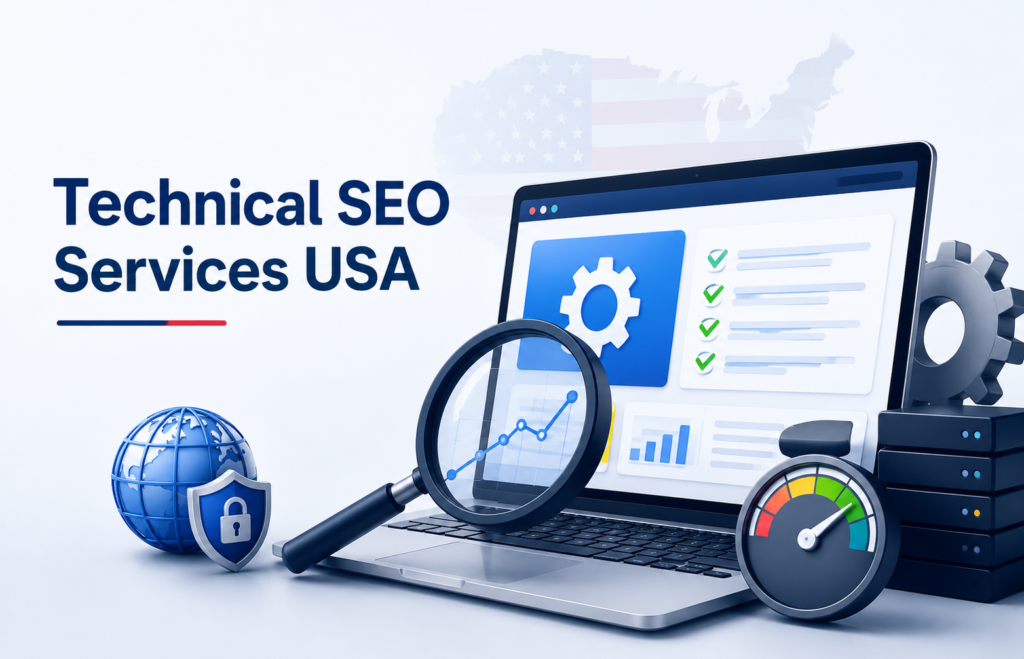
Technical SEO content writing Services USA help businesses optimize website structure, crawling, indexing, page speed, schema, and other technical elements that influence search visibility.
A technically optimized website improves visibility while also creating a better experience for visitors. Faster pages reduce bounce rates, better navigation encourages users to explore more content, and clean website architecture helps both users and search engines find information quickly.
Businesses investing in this are not simply trying to improve rankings. They are building a website that supports long-term organic growth.
Start with a Complete Technical SEO Audit
Before making improvements, it is important to understand where problems exist. A comprehensive audit process identifies the issues that affect website performance and search visibility.
A technical audit generally reviews:
- Crawl errors
- Broken internal links
- Duplicate pages
- Redirect chains
- XML sitemap health
- Robots.txt configuration
- Canonical tags
- Mobile usability
- Website speed
- HTTPS implementation
- Structured data
- Indexing issues
Once these problems are identified, priorities become much clearer and optimization efforts can focus on areas with the greatest impact.
Improve Website Crawlability
Search engines rely on bots to discover pages across your website. If crawlers cannot access important content, those pages may never appear in search results.
Improving crawlability begins with a clean website structure. Pages should be logically organized, internal links should connect related content, and unnecessary orphan pages should be eliminated.
Your XML sitemap should contain only valuable pages, while the robots.txt file should block unnecessary sections without preventing important content from being indexed.
Strong crawlability creates a solid foundation for long-term SEO success.
Ensure Proper Website Indexing
Crawling and indexing are two different processes. Search engines may discover a page but still choose not to include it in search results.
Common indexing problems include duplicate content, incorrect noindex tags, poor canonical implementation, thin pages, and server errors.
Regularly reviewing indexed pages helps identify content that should appear in search results but currently does not. Proper indexing ensures your most valuable pages receive the visibility they deserve.
Focus on SEO Website Performance Optimization
Website speed directly influences both user experience and search rankings. Slow-loading websites frustrate visitors, increase abandonment rates, and reduce conversions.
SEO Website Performance Optimization involves improving every element that contributes to loading speed.
Important optimization techniques include:
- Compressing images
- Reducing CSS and JavaScript files
- Browser caching
- Content delivery networks
- Lazy loading
- Server response optimization
- Database cleanup
- Removing unnecessary plugins
Small improvements in loading speed often produce significant gains in user engagement and search performance.
Prioritize Core Web Vitals
Google introduced it to measure how users experience a webpage. These metrics have become an important part of technical optimization.
Core Web Vitals Optimization focuses on three primary performance indicators.
Largest Contentful Paint measures how quickly the main content becomes visible. Interaction to Next Paint evaluates how responsive the page feels when users interact with it.
Cumulative Layout Shift measures visual stability and prevents unexpected movement while pages load.
Improving these metrics creates smoother browsing experiences while supporting better search visibility.
Optimize Website Architecture
A well-organized website helps visitors find information quickly while making search engines understand the relationship between different pages.
Good website architecture includes clear navigation, logical categories, descriptive URLs, and strategic internal linking.
Every important page should be reachable within a few clicks from the homepage. This not only improves user experience but also distributes authority across important pages more efficiently.
As websites continue growing, maintaining a structured architecture becomes even more important.
Strengthen Mobile Optimization
Most searches now happen on mobile devices, making mobile usability a fundamental ranking factor.
Responsive layouts, readable typography, touch-friendly navigation, properly sized buttons, and optimized images all contribute to a better mobile experience.
A technically optimized mobile website encourages longer visits and higher engagement while reducing bounce rates.
Secure Your Website
Website security builds trust with both visitors and search engines.
Every modern website should use HTTPS encryption, maintain updated security certificates, and regularly monitor vulnerabilities.
Secure websites protect user information while also supporting stronger search visibility.
Businesses that neglect website security risk losing customer confidence in addition to experiencing SEO challenges.
Use Structured Data Correctly
Structured data helps search engines understand website content more effectively.
Schema markup provides additional information about products, services, articles, reviews, FAQs, businesses, and many other content types.
When implemented correctly, structured data can improve search appearance through enhanced search results, increasing click-through rates even when rankings remain the same.
Schema implementation should always follow Google’s recommended guidelines.
Fix Duplicate Content Issues
Duplicate content often creates confusion for search engines by presenting multiple versions of similar information.
Common causes include:
- HTTP and HTTPS duplicates
- WWW and non-WWW versions
- Parameter-based URLs
- Printer-friendly pages
- Duplicate category pages
Canonical tags help search engines understand which version should receive ranking signals.
Maintaining clean URLs reduces indexing confusion and strengthens website authority.
Monitor Technical SEO Continuously
It is not a one-time project. Websites constantly evolve as new pages, plugins, features, and updates are introduced.
Regular monitoring helps identify new issues before they affect rankings.
Professional teams frequently review crawl reports, indexing status, broken links, structured data validation, page speed reports, and Core Web Vitals to maintain consistent website performance.
Continuous optimization keeps websites competitive despite changing search engine algorithms.
Enterprise Technical SEO Services for Large Websites
Large websites require a more advanced approach to technical optimization. Thousands of pages, multiple categories, dynamic content, and international versions create additional complexity. Enterprise optimization often includes advanced crawl budget management, log file analysis, automated technical monitoring, international SEO implementation, large-scale schema deployment, and complex site architecture improvements.
Without enterprise-level technical management, large websites may lose valuable search visibility despite having quality content.
Common Technical SEO Mistakes Businesses Make
Many businesses unknowingly limit their search performance because of avoidable technical mistakes.
Some of the most common mistakes include ignoring broken links, allowing duplicate pages to accumulate, neglecting website speed, failing mobile usability tests, blocking important pages through robots.txt, using outdated redirects, and never performing technical audits.
Addressing these issues early prevents larger SEO problems in the future.
Final Thoughts
Strong rankings are rarely achieved through content alone. Behind every successful website is a technically sound foundation that allows search engines to crawl, understand, and index pages efficiently.
Investing in these services ensures that every technical element of your website supports better visibility, faster performance, and a stronger user experience. Whether your goal is improving website SEO, implementing Core Web Vitals Optimization, conducting Audit, focusing on technical excellence creates long-term organic growth.
A technically healthy website not only performs better in search engines but also delivers the speed, security, and reliability that modern users expect. Regular technical reviews, continuous optimization, and proactive maintenance help businesses stay competitive in an increasingly demanding digital landscape.
Frequently Asked Questions
It identifies hidden issues such as crawl errors, broken links, duplicate content, indexing problems, and performance bottlenecks that may prevent better rankings.
Core Web Vitals measure page loading speed, responsiveness, and visual stability. Better scores improve user experience and can positively influence search rankings.
A technical review should be carried out regularly, especially after major website updates, migrations, redesigns, or content expansions. Most businesses benefit from quarterly technical audits.
Yes. Faster loading pages, better navigation, improved mobile usability, and a smoother browsing experience reduce bounce rates and encourage visitors to complete desired actions such as inquiries or purchases.